
Insights for Dunkirk families
Personalized memory care in Dunkirk for the ones you love
Our Dunkirk team provides more than just a service—we provide peace of mind. Discover local resources, expert caregivers, and a community of support.


Our Dunkirk Story
Care that comes from the community, for the community.
Serving Dunkirk, Bowie, and the West Chesapeake area, our team is committed to the Interactive Caregiving philosophy. We help seniors stay engaged with their community, from local events to everyday activities that promote independence.
Talk to our local teamWhy Dunkirk Families Choose Us
The Trusted Memory Care Advantage
Chesapeake Connection
Deeply familiar with the unique needs of Bay-area families.
Engagement Focused
Moving beyond basic tasks to true human connection.
Bowie & Dunkirk Expertise
Local caregivers who know your neighborhood.
Get in Touch
Ready to talk about memory care?
Our Dunkirk team is here to support your family with specialized memory care resources and compassionate guidance. Reach out today — we are here to help.
The Journal
From Dunkirk

Guide
Memory Care Safety Tips for Dunkirk Homes
Specific safety-proofing actions for Dunkirk homes where someone is living with dementia — kitchen, bathroom, doors, and the often-overlooked outdoor risks.
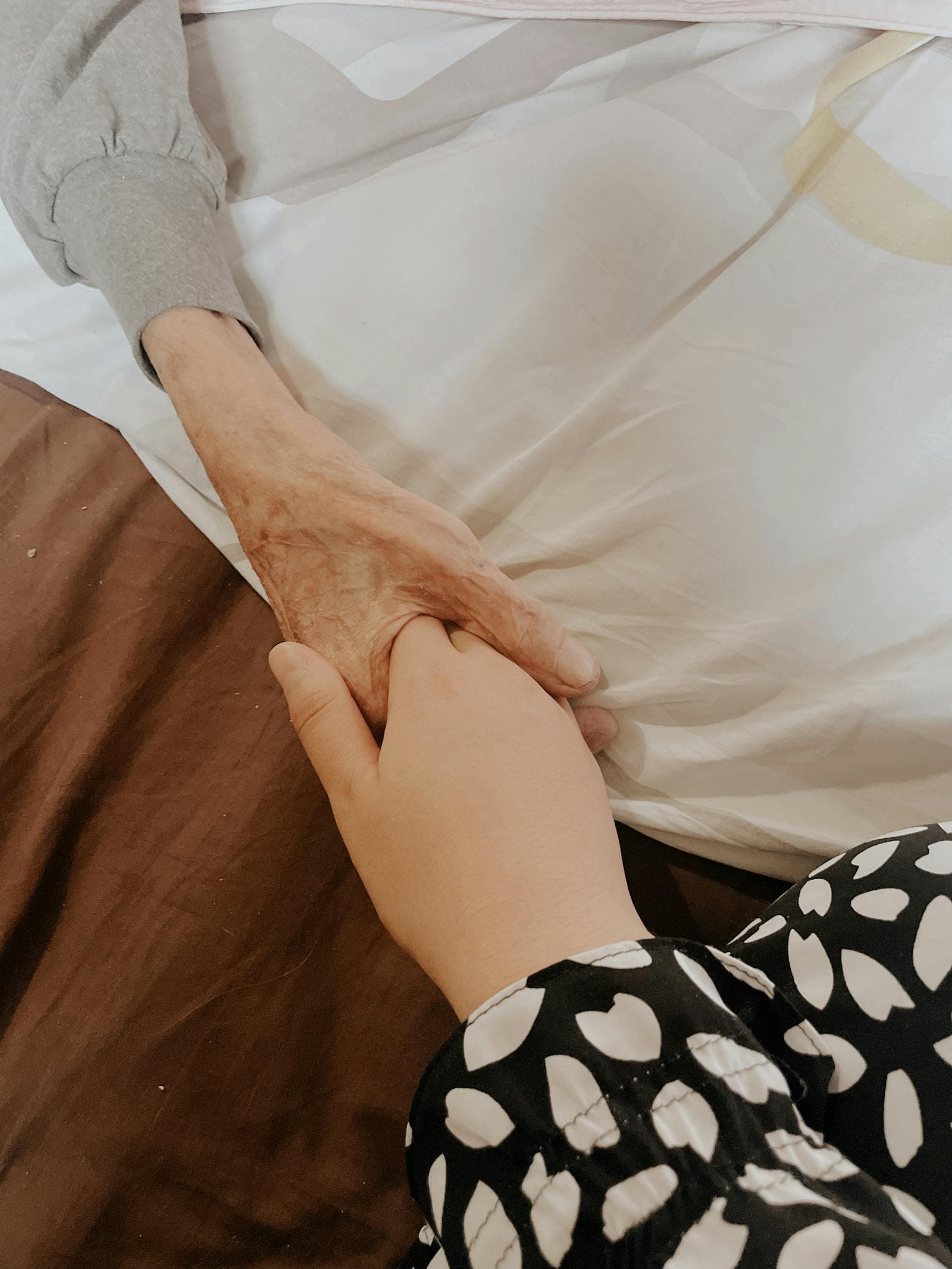
Guide
How to Find a Dementia Caregiver in Dunkirk, MD
A 6-step process for finding the right dementia caregiver in Dunkirk — credentialing, vetting, matching, trial.

Guide
Dementia-Friendly Resources in Dunkirk
Dementia-friendly resources in and around Dunkirk — memory cafes, community programs, support groups, and accessible activities.

Guide
Sundowning Support for Dunkirk Families
Sundowning isn't random — six environmental and routine changes prevent most evening agitation in Dunkirk dementia households.
Guide
Best Alzheimer’s Caregivers in Dunkirk, MD
How to find dementia-specialized caregivers serving Dunkirk — Certified Dementia Practitioner credentials, vetting questions, and red flags.
What is memory care at home?
Memory care at home is dementia-specialized companion or personal care provided in the senior's own home. A trained caregiver — ideally a Certified Dementia Practitioner — supports daily routines, manages sundowning, redirects confusion, and keeps the home safe. It works well in early-to-moderate dementia; advanced stages typically need memory care facilities with 24/7 medical oversight.
How is dementia home care different from regular home care?
Dementia home care requires specialized training in communication, behavioral redirection, safety-proofing, and recognition of sundowning, hallucinations, and agitation triggers. The caregiver follows the person with dementia rather than the schedule — meals happen when the person is hungry, activities flex with mood. Most agencies tier their staff; ask specifically about Certified Dementia Practitioner training before signing.
What is sundowning?
Sundowning is the late-afternoon to evening pattern of increased confusion, agitation, restlessness, or anxiety common in people with Alzheimer's and other dementias. It's caused by a mix of fatigue, low light, and circadian rhythm disruption. Trained caregivers manage it with consistent routines, environmental adjustments (more light), reduced stimulation, and calm redirection — not medication as a first response.
When should we transition from home care to memory care facility?
Common triggers: wandering with elopement risk, falls that exceed home safety modifications, incontinence with hygiene impact, aggression that escalates despite trained intervention, sleep cycle inversion that exhausts family, and care needs exceeding 16 hours of daily home supervision. A geriatric care manager can help you read the trajectory and time the move before it becomes a crisis decision.
Does Medicare cover dementia home care?
Medicare covers only short-term skilled home health (RN visits, physical therapy) tied to a specific medical condition — it doesn't pay for ongoing non-medical dementia home care. Some Medicare Advantage plans now offer limited supplemental in-home support benefits. Long-term care insurance, Medicaid waivers, and private pay are the typical payment paths for ongoing dementia home care.
How do I talk to my parent with dementia about needing help?
Avoid arguing or correcting confusion in the moment — it escalates anxiety. Frame help as your need ('I'd worry less if Maria came over on Tuesdays') rather than their deficit. Use short, simple sentences. Introduce the caregiver as 'a friend who'll help with the house,' not 'your aide.' Allow time for relationship-building. The Alzheimer's Association has free 24/7 helpline coaches at 1-800-272-3900 if you get stuck.
Can dementia home care work for someone who lives alone?
Yes, in early stages with adequate hours and safety-proofing. As dementia progresses, the math gets harder — eventually 24-hour supervision is required, which costs $18,000+ a month for awake care. Many families bridge this gap with live-in care ($9,000–$13,500 monthly) until either home modifications and family rotation stretch further, or the move to memory care becomes the right call.
What activities help someone with dementia?
Familiar, simple, dignity-preserving activities: folding laundry, sorting photos, listening to music from their teens and twenties, gardening, simple cooking. The activity matters less than the connection — sitting together, looking at family photos, or telling old stories often does more than any structured exercise. Avoid activities that highlight new learning or short-term memory failure; lean into long-term memory and procedural memory.
Frequently Asked Questions
Get the Answers You Need.
Have questions about memory care? Explore our FAQs for clear, concise answers to help you make informed decisions about your care options.